












Tangki Reaksi
Pendahuluan Tangki Reaksi
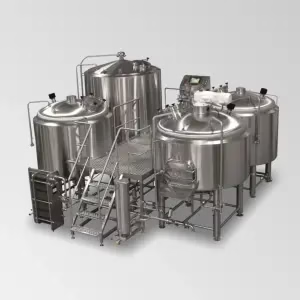
Tangki reaksi, juga dikenal sebagai bejana reaksi atau reaktor, adalah komponen integral dalam berbagai proses industri di mana reaksi kimia terjadi. Mereka berfungsi sebagai lingkungan terkendali untuk reaksi-reaksi ini, memastikan kondisi optimal untuk efisiensi, keamanan, dan kualitas produk.
Cara Kerja Tangki Reaksi
Tangki reaksi adalah komponen penting dalam proses industri di mana reaksi kimia terjadi. Fungsi utamanya adalah menyediakan lingkungan terkendali untuk reaksi-reaksi ini, memastikan kondisi optimal untuk efisiensi, keamanan, dan kualitas produk. Berikut adalah gambaran umum tentang cara kerja tangki reaksi:
- Pemasukan Reaktan: Proses dimulai dengan memasukkan reaktan ke dalam tangki reaksi. Reaktan ini dapat berbentuk cair, padat, atau gas, tergantung pada reaksi spesifik yang dilakukan. Pengukuran dan dosis reaktan yang akurat sangat penting untuk mencapai stoikiometri yang diinginkan dan mencegah reaksi samping yang tidak diinginkan.
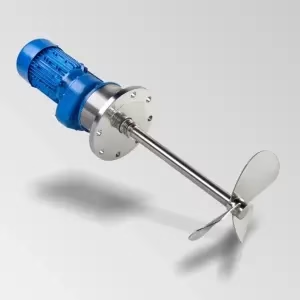
- Pencampuran dan Pengadukan: Setelah reaktan berada di dalam tangki, mekanisme pencampuran dan pengadukan digunakan untuk memastikan distribusi homogen dan interaksi efisien antara zat-zat. Ini dapat dicapai melalui berbagai metode, seperti pengaduk mekanis, impeler, baffle, atau pencampur jet. Pencampuran yang tepat sangat penting untuk meningkatkan kinetika reaksi, memperbaiki perpindahan panas, dan mempertahankan suhu dan konsentrasi yang seragam di seluruh campuran reaksi.
- Kontrol Suhu: Suhu adalah parameter kritis dalam sebagian besar reaksi kimia, karena secara langsung mempengaruhi laju reaksi dan hasil produk. Tangki reaksi sering dilengkapi dengan sistem pemanas atau pendingin untuk mempertahankan suhu yang diinginkan selama proses reaksi. Jaket pemanas, koil pendingin, atau elemen pemanas internal dapat digunakan untuk menyesuaikan dan mengontrol suhu di dalam tangki.
- Kontrol Tekanan: Beberapa reaksi memerlukan kondisi tekanan tertentu untuk berlangsung secara efisien atau aman. Tangki reaksi dirancang untuk menahan rentang tekanan yang diperlukan dan dapat dilengkapi dengan fitur seperti katup pelepas tekanan untuk mengelola dan mengatur tingkat tekanan internal.
- Pemantauan dan Kontrol: Sepanjang proses reaksi, berbagai parameter seperti suhu, tekanan, pH, dan konsentrasi reaktan terus dipantau dan dikendalikan menggunakan sensor, instrumen, dan sistem otomasi. Ini memastikan bahwa reaksi berlangsung sesuai dengan kondisi yang diinginkan dan membantu operator melakukan penyesuaian yang diperlukan untuk mengoptimalkan proses.
- Kemajuan Reaksi: Seiring berjalannya reaksi, komposisi campuran di dalam tangki berubah. Pengambilan sampel dan analisis campuran reaksi secara teratur membantu memantau kemajuan reaksi, mengidentifikasi penyimpangan dari jalur yang diinginkan, dan melakukan penyesuaian yang diperlukan pada laju umpan reaktan, suhu, atau parameter lainnya.
- Penghentian dan Pemulihan Produk: Setelah reaksi mencapai titik akhir yang diinginkan, proses dihentikan, dan produk diambil dari tangki reaksi. Ini dapat melibatkan teknik pemisahan seperti filtrasi, sentrifugasi, atau distilasi, tergantung pada sifat produk dan produk sampingan yang dihasilkan selama reaksi.
- Pembersihan dan Pemeliharaan: Setelah setiap penggunaan, tangki reaksi harus dibersihkan secara menyeluruh dan diperiksa untuk tanda-tanda keausan atau kerusakan. Prosedur pembersihan dan pemeliharaan yang tepat memastikan umur panjang dan keandalan peralatan serta mencegah kontaminasi pada reaksi berikutnya.
Secara umum, tangki reaksi bekerja dengan menyediakan lingkungan terkendali untuk reaksi kimia agar terjadi secara efisien dan aman. Ini memfasilitasi pemasukan dan pencampuran reaktan, mempertahankan kondisi suhu dan tekanan optimal, memantau dan mengontrol parameter reaksi, serta memungkinkan pemulihan produk dan pembersihan pasca-reaksi. Dengan memahami dan mengoptimalkan cara kerja tangki reaksi, industri dapat meningkatkan produktivitas, memperbaiki kualitas produk, dan mempertahankan tingkat keselamatan dan keberlanjutan lingkungan yang tinggi.
Functions of Reaction Tank
Reaction tanks are commonly used in various industrial processes, particularly in chemical engineering and wastewater treatment. These tanks serve several important functions depending on the specific application. Here are some common functions of reaction tanks:
- Mixing: Reaction tanks are primarily used for mixing different substances or chemicals. They provide an environment where the reactants can be thoroughly blended to initiate and facilitate chemical reactions. Mixing ensures that the reactants come into contact with each other, allowing for efficient reaction kinetics.
- Chemical Reactions: The main purpose of a reaction tank is to promote chemical reactions. It provides a controlled environment where reactants can interact and transform into desired products. The tank may contain catalysts, heat exchangers, or other additives to enhance the reaction rates or modify reaction conditions.
- Kontrol Suhu: Reaction tanks often incorporate temperature control mechanisms to maintain the desired reaction temperature. Heat transfer devices, such as coils or jackets, are commonly used to either heat or cool the contents of the tank. Temperature control is crucial for achieving optimal reaction rates, selectivity, and overall process efficiency.
- Residence Time: Reaction tanks allow for a specific residence time, which refers to the duration for which the reactants remain in the tank. Residence time is critical for controlling the extent of reaction and achieving the desired conversion or yield. By adjusting the flow rate of reactants or the size of the tank, the residence time can be controlled.
- Separation: In some cases, reaction tanks are used in conjunction with separation processes. After the chemical reaction occurs, the tank may be equipped with separation mechanisms like settling, filtration, or centrifugation to separate the desired products from unreacted materials or by-products.
- pH Control: For reactions that are sensitive to pH, reaction tanks may include pH control systems. These systems monitor and adjust the pH level of the reaction mixture to maintain optimal reaction conditions. pH control is essential for achieving desired reaction rates, selectivity, and stability.
- Safety and Containment: Reaction tanks are designed to ensure safety during chemical reactions. They are constructed using materials that are compatible with the reactants and can withstand the process conditions. Additionally, they may have safety features like pressure relief valves, venting systems, or emergency shutdown mechanisms to prevent accidents or release of hazardous substances.
- Sampling and Analysis: Reaction tanks may include provisions for sampling the reaction mixture at various stages. These samples can be analyzed to monitor the progress of the reaction, determine reaction kinetics, or assess the quality of the products. Sampling and analysis help in process optimization and quality control.
It’s important to note that the specific functions of a reaction tank can vary depending on the industry, application, and process requirements. The design and operation of reaction tanks are tailored to meet the specific needs of the chemical reaction or process being carried out.
SeFluid's Advantages on Manufacturing Reaction Tank
At SeFluid, we take pride in the numerous advantages we offer in the manufacturing of reaction tanks. With our extensive expertise and commitment to excellence, we provide exceptional solutions in this field. Here are some of the notable advantages that set us apart:
- Customized Design: We excel in creating customized designs that precisely meet the unique requirements of our clients. We understand that every manufacturing process is distinct, and we work closely with our clients to tailor the reaction tank to their specific needs.
- Engineering Expertise: Our team of experienced engineers possesses in-depth knowledge of reaction tank manufacturing. With expertise spanning various industries and applications, we provide valuable insights and recommendations to ensure optimal solutions that enhance efficiency and performance.
- Quality Assurance: Quality is at the core of our manufacturing process. We adhere to rigorous quality control procedures at every stage, ensuring that the reaction tanks we deliver meet the highest standards. By utilizing advanced techniques and conducting thorough inspections, we guarantee reliable and durable tanks that consistently perform.
- Advanced Materials: We understand the critical importance of selecting the most suitable materials for reaction tanks. Our expertise allows us to utilize advanced materials that are compatible with different manufacturing processes, offering resistance to corrosion, temperature fluctuations, and chemical reactions. This focus on material selection enhances the longevity and reliability of our tanks.
- Safety Considerations: Safety is our utmost priority when it comes to manufacturing reaction tanks. We incorporate various safety features into our tank designs, including pressure relief valves, emergency shutdown systems, and proper venting mechanisms. These precautions protect personnel, equipment, and the environment from potential hazards.
- Technological Innovation: Embracing technological advancements, we continuously improve our manufacturing processes. We stay updated with the latest industry trends and integrate innovative technologies into our tank designs. By leveraging automation, data analysis, and process optimization tools, we enhance efficiency, accuracy, and overall performance.
- Timely Delivery and Support: We understand the importance of meeting project deadlines. Our team is dedicated to delivering our reaction tanks on time without compromising on quality. Additionally, we provide comprehensive after-sales support, including installation assistance, maintenance guidance, and responsive customer service. Our commitment ensures a smooth and satisfactory experience for our clients.
In conclusion, our advantages in manufacturing reaction tanks lie in our ability to offer customized designs, engineering expertise, unwavering commitment to quality, advanced material selection, focus on safety, technological innovation, and reliable customer support. These advantages make us a trusted partner for companies seeking high-quality and tailored reaction tank solutions.
Applications of Reaction Tank
Reaction tanks find applications in various industries and processes where chemical reactions or mixing of substances are required. Some common applications of reaction tanks include:
- Chemical Manufacturing: Reaction tanks are extensively used in chemical manufacturing processes. They facilitate reactions such as polymerization, oxidation, reduction, esterification, and many others. These tanks provide controlled environments for the precise mixing of reactants and catalysts to produce desired chemical products.
- Pharmaceutical Production: In pharmaceutical manufacturing, reaction tanks play a crucial role in producing various drugs and pharmaceutical intermediates. They enable controlled reactions for synthesis, purification, and isolation of active pharmaceutical ingredients (APIs). Reaction tanks are used for processes like crystallization, hydrolysis, fermentation, and drug formulation.
- Petrochemical Industry: The petrochemical industry heavily relies on reaction tanks for the production of fuels, lubricants, polymers, and other petrochemical products. These tanks are used for processes like cracking, alkylation, isomerization, and polymerization, which involve complex chemical reactions and require precise control of reaction conditions.
- Pengolahan Makanan dan Minuman: Reaction tanks are employed in the food and beverage industry for various processes. They are used for fermentation in the production of alcoholic beverages, dairy products, and baked goods. Reaction tanks are also utilized for blending, flavoring, and chemical reactions involved in the production of processed foods and beverages.
- Pengolahan Air dan Air Limbah: In water and wastewater treatment plants, reaction tanks are used for various treatment processes. They facilitate chemical reactions for disinfection, pH adjustment, coagulation, flocculation, and precipitation of contaminants. These tanks help in removing impurities and ensuring the water or wastewater meets required quality standards.
- Environmental Remediation: Reaction tanks play a role in environmental remediation processes, where they are used to treat contaminated soil or water. They facilitate chemical reactions such as oxidation, reduction, and precipitation to transform or remove hazardous substances, pollutants, or heavy metals from the environment.
- Biotechnology and Biochemical Processes: Reaction tanks are vital in biotechnological and biochemical processes. They support fermentation processes for the production of biofuels, enzymes, antibiotics, and other bioproducts. These tanks provide optimal conditions for the growth of microorganisms or cell cultures and for the synthesis of desired compounds.
- Mining and Metallurgical Processes: Reaction tanks are utilized in mining and metallurgical industries for processes such as leaching, extraction, and ore processing. They enable chemical reactions to dissolve valuable metals from ores or concentrates, separate impurities, and recover metals through precipitation or electrochemical processes.
These are just a few examples of the diverse applications of reaction tanks. The specific use and design of a reaction tank depend on the desired chemical reactions, process conditions, and industry requirements.
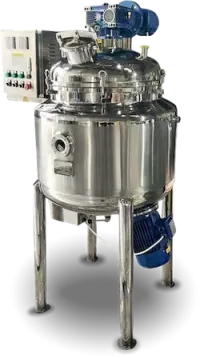
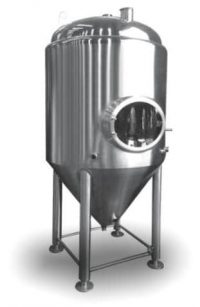

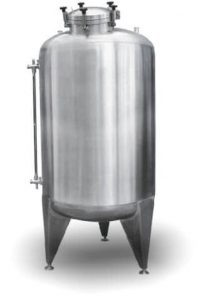
spesifikasi
Kekuatan
0.75-110 KW
Volume
0.03- 50000 L
Kecepatan
Disesuaikan
Jenis Pengaduk
Atas, Samping, Bawah
Bahan
SS304, SS316, Baja Karbon
Kontrol Suhu
Pendinginan, Pemanasan, Isolasi
Permintaan Penawaran


BERITA


kontak
No.28, Fengxia Rd, Hefei, Provinsi Anhui, Cina 201400
Telepon: +86 156 6910 1862
Faks: +86 551 5843 6163
sales@sefluid.com
ikuti kami