









Mühendislik Hassasiyeti: Endüstriyel Sepet Değirmeni ile Mikron Altı Dağılımın Optimize Edilmesi
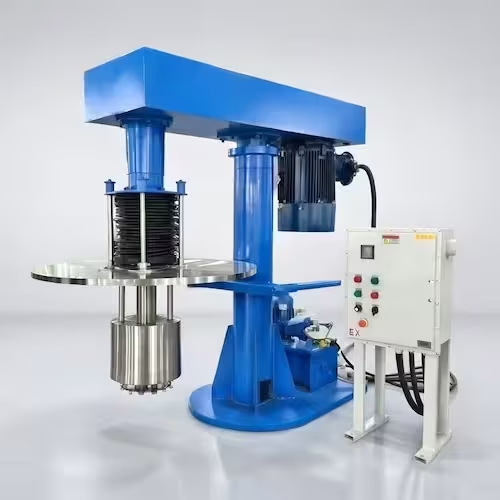
Yüksek performanslı kimyasal üretimde, homojen alt mikron partikül dağılımlarını verimli bir şekilde elde etmek, entegre dağıtım ve öğütme gerektirir. Geleneksel parti işleme, genellikle ayrı yüksek kesme kuvvetli karıştırıcılar ve yatay bilyalı değirmenlere dayanır; bu da malzeme transfer kayıplarına, boru ölü bölgelerine ve kapsamlı temizleme döngülerine yol açar. Modern bir endüstriyel sepetli değirmen, ön dağıtım, ince ıslak öğütme ve son seyreltmeyi tek bir kapta birleştirerek parti işleme sürelerini ve işletme maliyetlerini önemli ölçüde azaltır.
Orta ila yüksek viskoziteli formülasyonlar için tasarlanmıştır, SeFluid Boya, mürekkep, pigment macunları ve teknik seramiklerde zorlu günlük üretim döngülerine dayanacak şekilde tasarlanmış ağır hizmet tipi daldırma değirmenleri üretmektedir.
Bilgi Talebi
SeFluid Sepet Değirmeninin Temel Çalışma Prensipleri
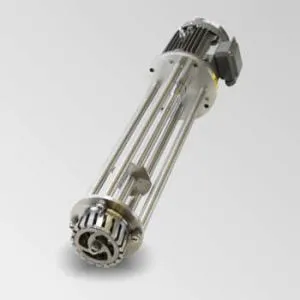
SeFluid sepetli değirmenin çalışma mekanizması, akışkan dinamiğine ve yerel mekanik etkiye dayanır. Sistem, öğütme ortamı (genellikle stabilize zirkonyum oksit boncukları) ile dolu bir öğütme sepetini doğrudan ürün partisine indirir.
Öğütme haznesinin merkezinde, yüksek çevresel hızlarda (22 m/s'ye kadar) dönen bir karıştırıcı disk veya pim rotor bulunur. Bu dönüş, öğütülmemiş bulamacı kabın üst kısmından sepete çeken yoğun bir santrifüj emme girdabı oluşturur. Haznenin içinde, sıvı kütle öğütme boncuklarıyla yoğun çarpışmalar yoluyla hızlanır ve kesme ve darbe kuvvetleri yoluyla hızlı parçacık boyutu küçültülmesini sağlar.
Aynı anda, sepetin altında bulunan entegre bir emme çarkı, işlenmiş bulamacı hassas işlenmiş bir ayırma eleğinden (tipik olarak 0,1 mm ila 0,5 mm yuva genişliği) hızla dışarı çeker. Bu sürekli devridaim döngüsü, hidrolik darboğazlar olmadan olağanüstü parti homojenliği sağlar.
Teknik Özellikler ve Çalışma Parametreleri
Mühendislerin doğru sepetli öğütücüyü seçmelerine yardımcı olmak amacıyla, aşağıdaki tabloda SeFluid tarafından tasarlanan yüksek verimli ıslak öğütme ekipmanları için standart çalışma aralığı ayrıntılı olarak verilmiştir:
| Parametre | Teknik Özellikler | Mühendislik Avantajı |
|---|---|---|
| Motor Güç Aralığı | 7,5 kW – 132 kW | Patlamaya dayanıklı (EX d IIB T4) seçenekler mevcuttur. |
| Hız kontrolü | 0 – 1460 RPM | Değişken Frekans Sürücüsü (VFD) invertör kontrollü |
| Çevresel Hız | 12 m/s – 22 m/s | Yüksek kinetik enerjili kinetik öğütme için optimize edilmiştir. |
| Viskozite Aralığı | Saniyede 50.000 cps'ye kadar | Kalın macunlar, mürekkepler ve yoğun bulamaçlar için uygundur. |
| Öğütme Ortamı Boyutu | 0,6 mm – 2,0 mm | İtriyum stabilize zirkonya veya cam boncuk ile uyumlu |
| Ayırma Ekranı Yuvası | 0,2 mm, 0,3 mm, 0,5 mm | Boncuk sızıntısını önlemek için CNC işlenmiş kama telli elekler |
| Termal Kontrol | Çift cidarlı soğutma | Hem sepet duvarında hem de parti tankında soğutulmuş su kanalları |
| Kaldırma Mekanizması | Hidrolik kaldırma silindiri | Çift etkili hassas kılavuz ile sabit dikey yükseklik ayarı |
Çamur Öğütme İşleminin Yapısal Mühendislik Açısından Avantajları
1. Sepet Değirmeni için Gelişmiş Termal Yönetim
Yüksek hızlı mekanik partikül boyut küçültme işlemi kaçınılmaz olarak kinetik ısı üretir; bu da ısıya duyarlı pigment formülasyonlarını bozar ve çözücü buharlaşmasına neden olur. SeFluid bu sorunu çift kanallı termal dağıtım yoluyla çözer. Soğutulmuş sıvı, dış tank ceketinden ve ayrıca çift cidarlı öğütme sepetinden sürekli olarak dolaşır. Bu, agresif alt mikron işleme sırasında bile bulamaç öğütme sıcaklıklarının sıkı bir şekilde kontrol altında tutulmasını sağlar.
2. Borularda Ölü Bölge Yok ve Hızlı Temizlik
Geleneksel yatay değirmenler, partiler arasında değerli ürünü tutan mekanik transfer pompaları ve bağlantı boru hatları gerektirir. Daldırma değirmeni olarak çalışan ünite, tamamen parti kabı içinde çalışır. Üretim tamamlandığında, hidrolik kaldırma sistemi sepeti sıvı seviyesinin üzerine kaldırarak operatörlerin doğrudan tankta hızlı bir solvent durulama döngüsü gerçekleştirmesine olanak tanır. Bu, çapraz kontaminasyon risklerini azaltır ve temizlik için gereken bekleme süresini 'a kadar düşürür.
3. Ağır Hizmet Tipi CNC İşlenmiş Kama Tel Elekler
Yüksek kesme kuvvetli dağıtım sistemlerinde arıza sürelerinin en önemli nedeni elek tıkanmalarıdır. SeFluid, ters konik profillerle tasarlanmış özel lazer kesim kama telli elekler içerir. Bir parçacık ayırma boşluğuna girdiğinde, genişleyen çıkış geometrisi, parçacığın elek içinde sıkışıp kalmak yerine ana sıvıya serbestçe geçmesine olanak tanıyarak maksimum devirde kesintisiz akış sağlar.
Endüstriyel Kaplama İşlemesinde Endüstriyel Uygulamalar
Sağlam mekanik yapısı ve etkili parçacık boyutu küçültme yetenekleri sayesinde, daldırma öğütme işlemi birçok kimya sektöründe üstün performans göstermektedir:
- Otomotiv ve OEM Kaplamaları: Karmaşık organik ve inorganik pigmentleri mikron altı hassasiyetle öğüterek yüksek parlaklık, şeffaflık ve hassas renk yoğunluğu elde etmek.
- Baskı ve UV Mürekkepleri: Viskozite artışına neden olmadan ultra ince dağılım gerektiren fleksografik, gravür ve dijital inkjet formülasyonları.
- Elektronik Kimyasallar ve Seramikler: Kirlenmeden arındırılmış öğütmenin zorunlu olduğu pil bulamaçlarının, iletken macunların ve metal oksitlerin işlenmesi.
Sıkça Sorulan Sorular (SSS)
Uygulamam için doğru taşlama boncuğu boyutunu nasıl seçerim?
Akışkan mühendisliğinde genel bir kural olarak, öğütme bilyelerinizin çapı, başlangıç parçacık boyutunuzdan 10 ila 20 kat daha küçük ve elek sıkışmasını önlemek için ayırma eleğinin yuva genişliğinden en az 2 ila 3 kat daha büyük olmalıdır. İnce alt mikron endüstriyel kaplama işlemleri için genellikle 0,8 mm ila 1,2 mm yttria ile stabilize edilmiş zirkonya bilyeler önerilir.
Bir sepet değirmeninin etkili bir şekilde işleyebileceği maksimum viskozite nedir?
Standart üniteler, 50.000 cps'ye kadar akışkan viskozitelerinde verimli bir şekilde çalışır. 50.000 cps'yi aşan yüksek tiksotropik veya ultra yüksek viskoziteli formülasyonlar için SeFluid, ağır macunları sürekli olarak merkezi öğütme girdabına beslemek üzere, toplu tankın içine yardımcı duvar kazıyıcı ankraj karıştırıcıları entegre eder.
Sistem, yüksek hızlı frezeleme sırasında öğütme bilyesinin sızmasını nasıl önler?
Boncukların tutulması, alt ayırma eleğinin yapısal bütünlüğüne bağlıdır. SeFluid, hassas mekanik toleranslara göre üretilmiş, rijit, hassas kaynaklı paslanmaz çelik (SS304/SS316L) veya seramik kama telli elekler kullanır. VFD yumuşak başlatma ivmesiyle birleştiğinde, bu, aksi takdirde öğütme ortamını yerinden oynatabilecek hidrolik şokları ortadan kaldırır.
ilgili ürünler